
Subject Tew Change
a hybrid film series created in collaboration with 7 artists rooted in Baltimore City
Subject Tew Change is rooted in the belief that storytelling helps people process their realities, heal their wounds, and imagine new futures. Inspired by the historic role of storytellers as healers and cultural stewards, we approach storytelling not simply as documentation, but as a form of care capable of strengthening both individual and collective wellbeing.
The initiative brings together seven Baltimore artists representing different disciplines, generations, and lived experiences. Rather than serving as subjects within a traditional documentary, each artist acts as a creative lead, shaping the story, format, and approach of their episode. The result is a collection of stories that span genres, mediums, and perspectives while remaining connected through a shared commitment to creativity and community.
Meet The Artists
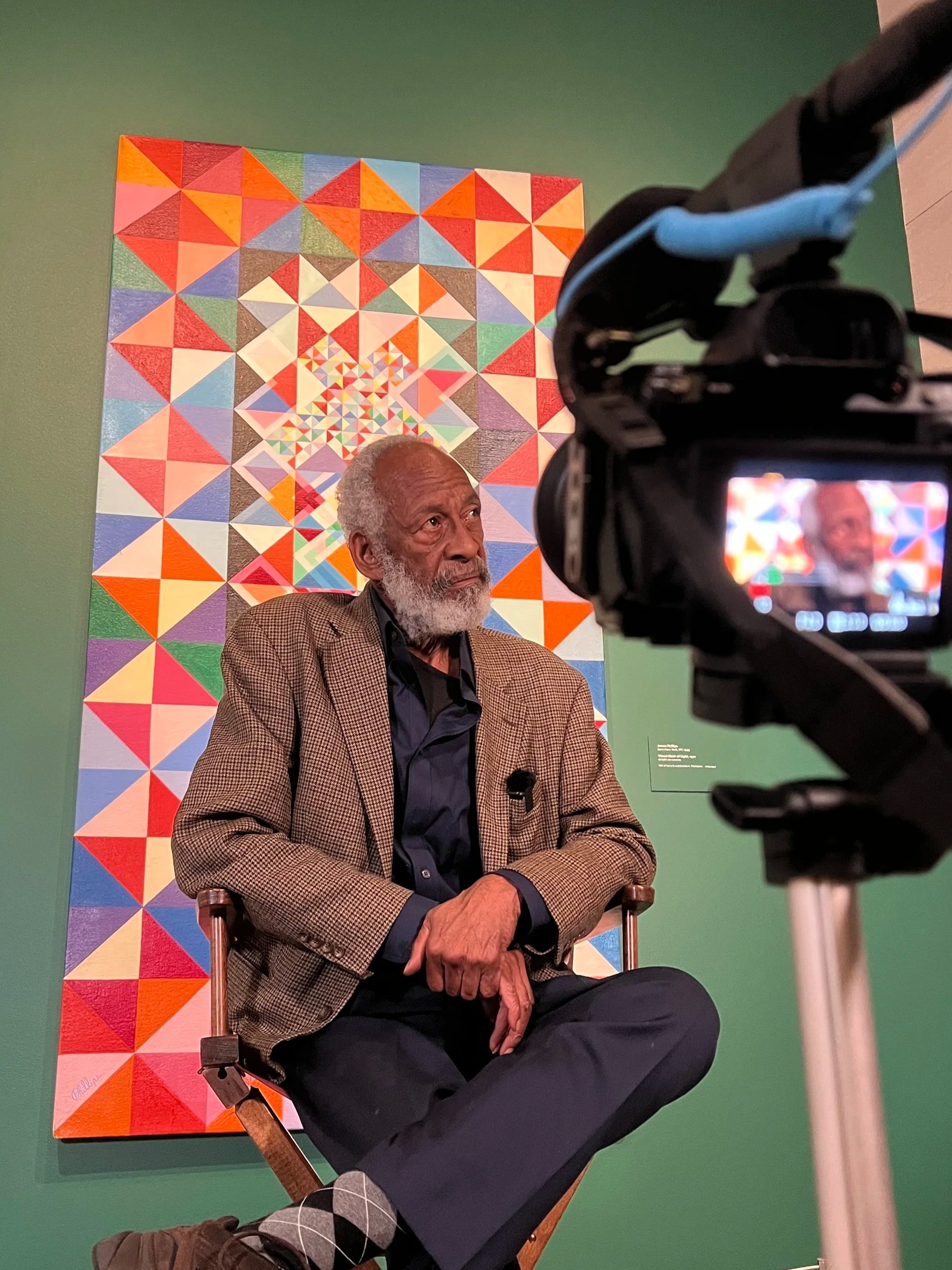
James Phillips
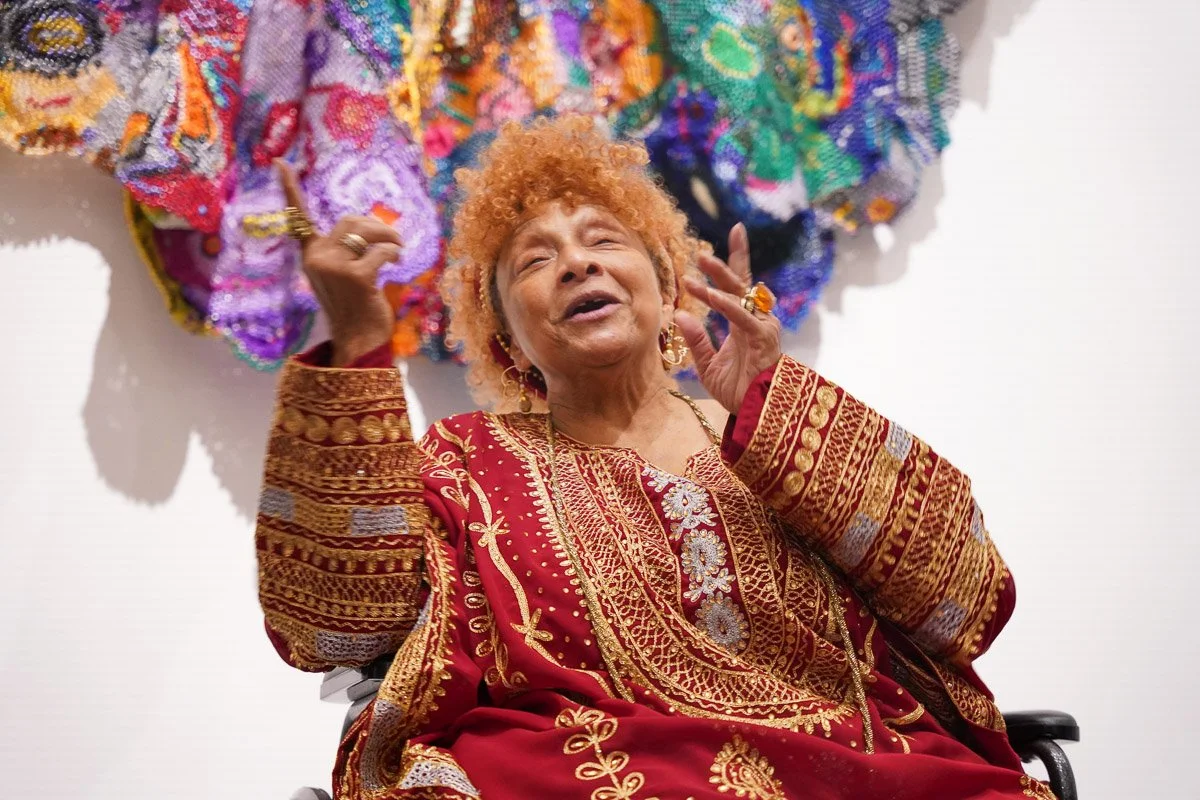
Joyce J. Scott
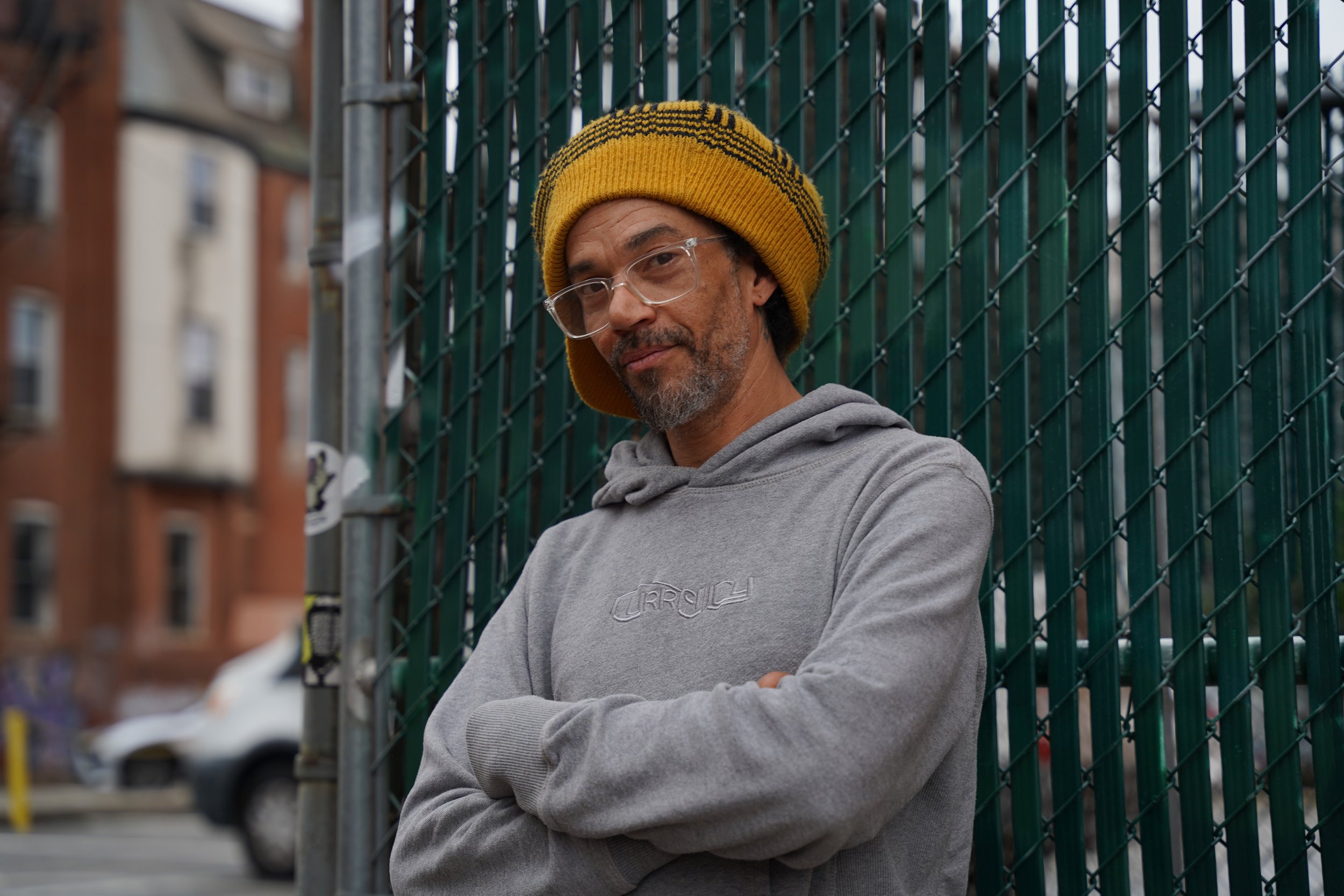
Adam Stab
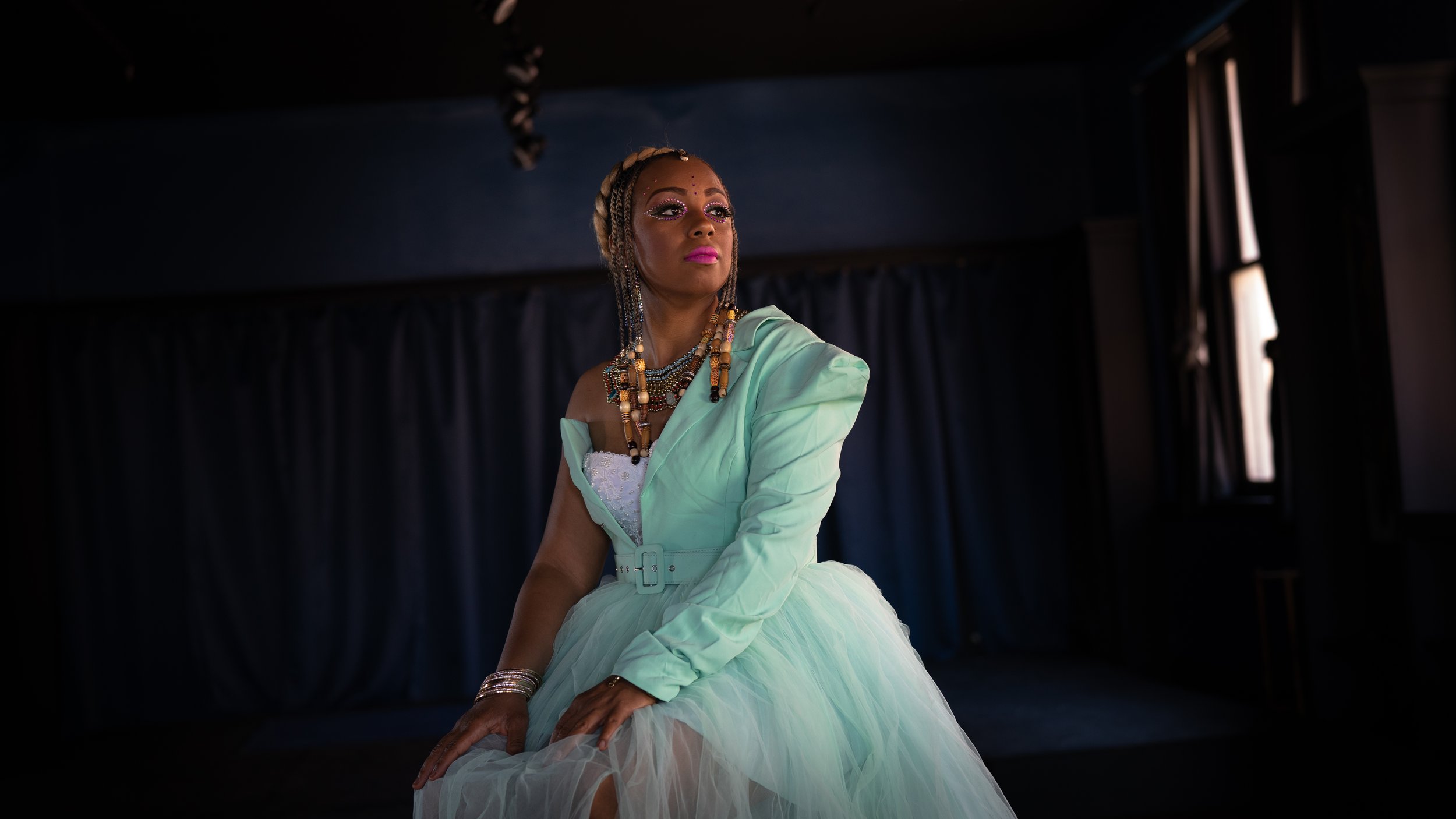
Brinae Ali
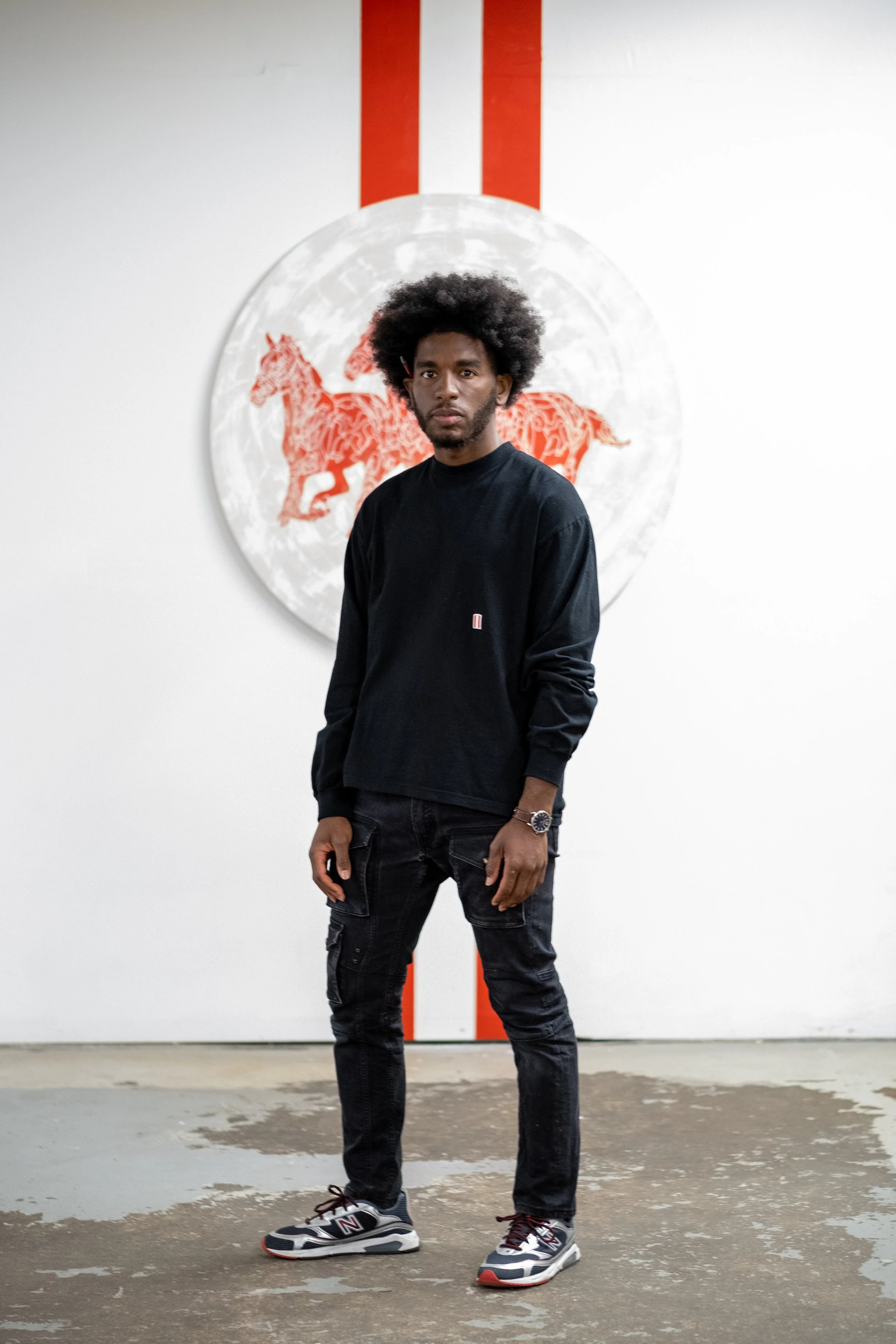
Michael Haskins Jr.
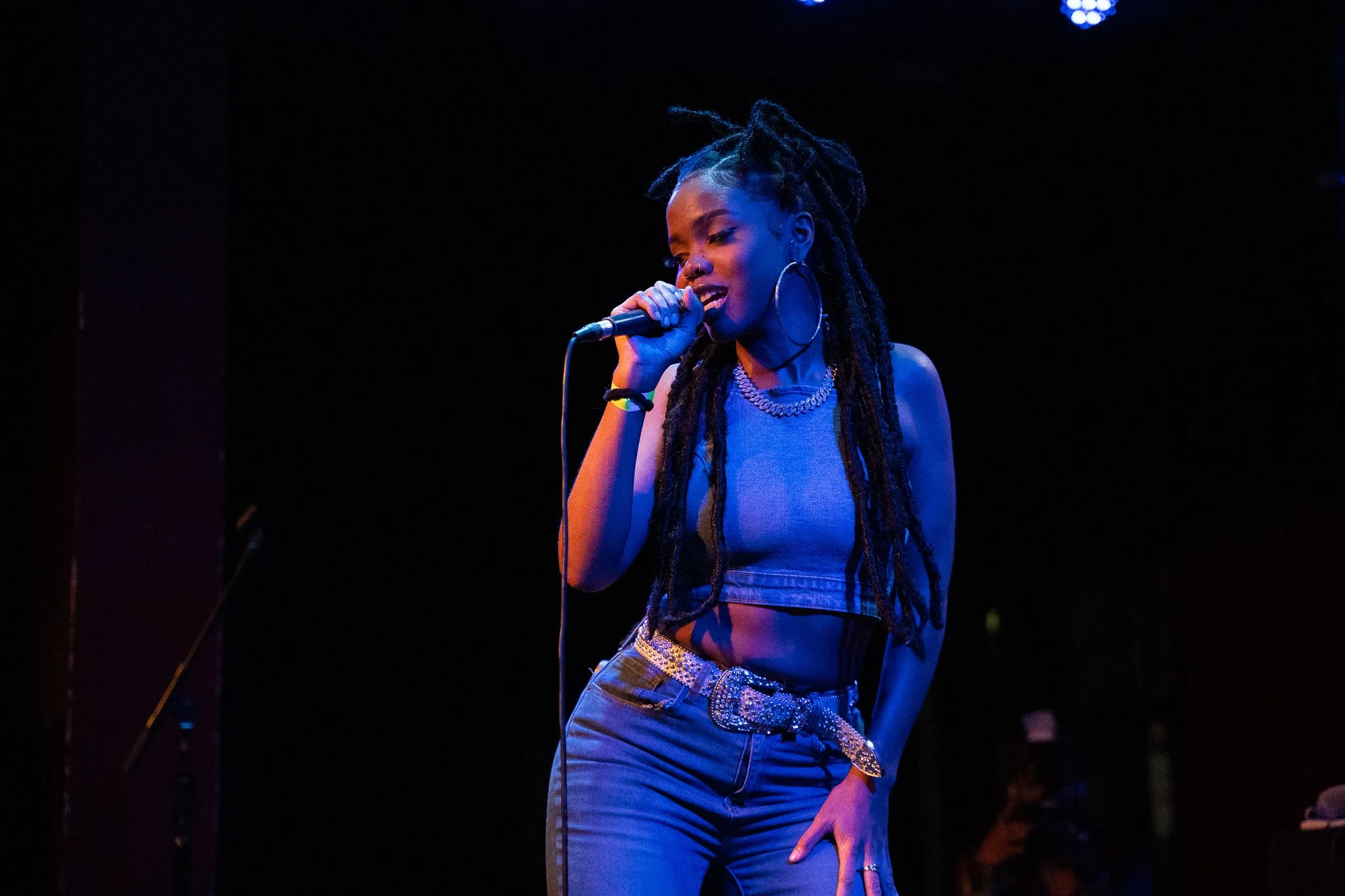
Kay L.A.
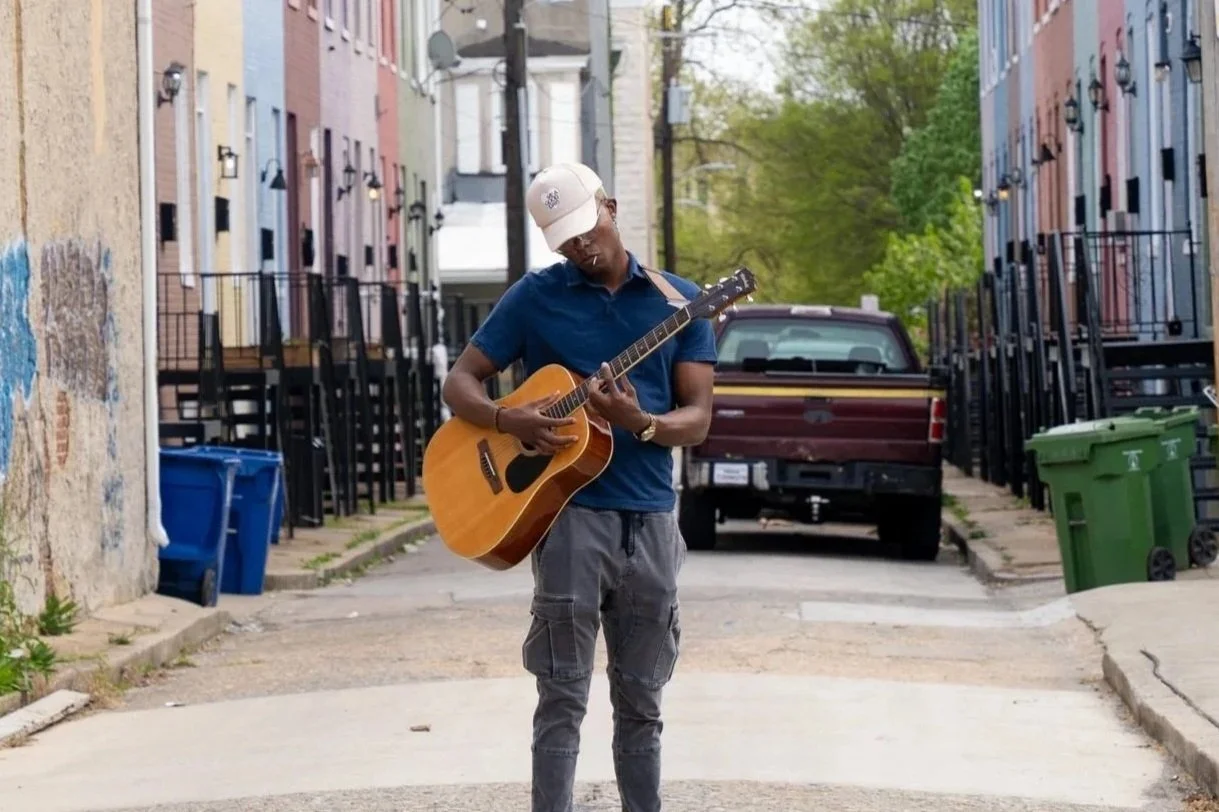
Marquis Carrington
The series emerged from the first Mixing Bowl, where the group gathered around a shared meal and conversation exploring themes of art, community, and public health. That gathering revealed how storytelling, relationship-building, and shared experience could extend beyond a single conversation, becoming the foundation for a larger collaborative storytelling project. Footage from this conversation serves as a connective thread throughout the series, weaving individual stories into a broader reflection on creativity, community, and change.
Together, the episodes offer a portrait of Baltimore through the voices, experiences, and creative practices of the artists themselves. The series highlights how stories nurture relationships, strengthen communities, and help people imagine new possibilities for themselves and the places they call home.
What becomes possible when artists are given the space to tell stories on their own terms and when storytelling is recognized as an essential part of how communities heal, connect, and imagine their futures?